
According to Microsoft's Global AI Diffusion Report, generative AI was being used by around 17.8% of the world's working-age population in early 2026. That number stayed in my head.
We hear about AI every day. It is discussed everywhere, promoted everywhere, argued about everywhere. And yet, if that figure is anything close to reality, most people still aren't really using it.
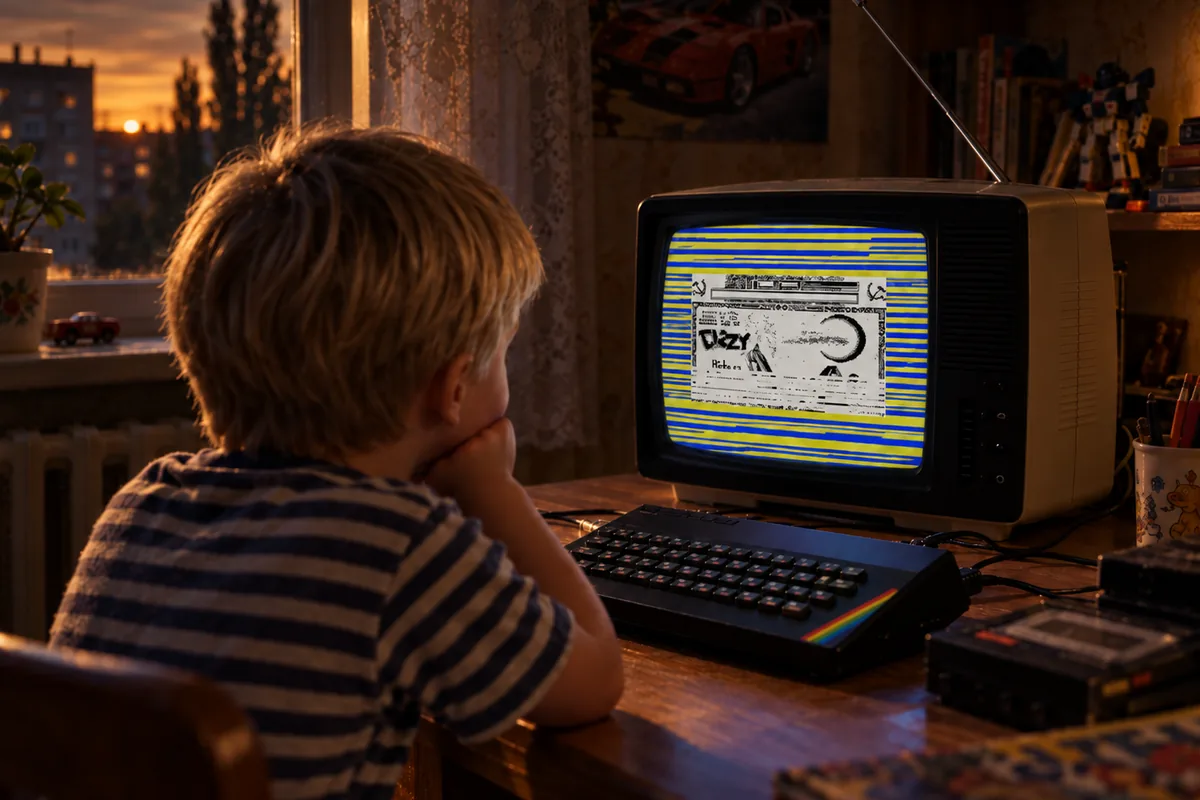
I started thinking about that from my own perspective. I still remember being a kid and getting excited about the ZX Spectrum. At that time, technology around us was limited. A calculator was already useful. Then suddenly there was this little computer where you could play games, type something into BASIC, experiment and actually make something happen on the screen. That feeling stayed with me. I still get excited when I see a tool that opens a new possibility.
But AI feels different. Not because it is simply another piece of technology. For me, it changed what I can realistically do with the ideas I already had.
Without AI, I would probably still be thinking mainly about work in the traditional way. Where can I get a better-paid job? Do I need to travel more? Do I need to work abroad again? Do I need another side job? What is the next thing I need to do just to keep everything moving?
Those questions are still part of real life, of course. But now I can also spend part of my time building something I genuinely care about. That is a big change for me.
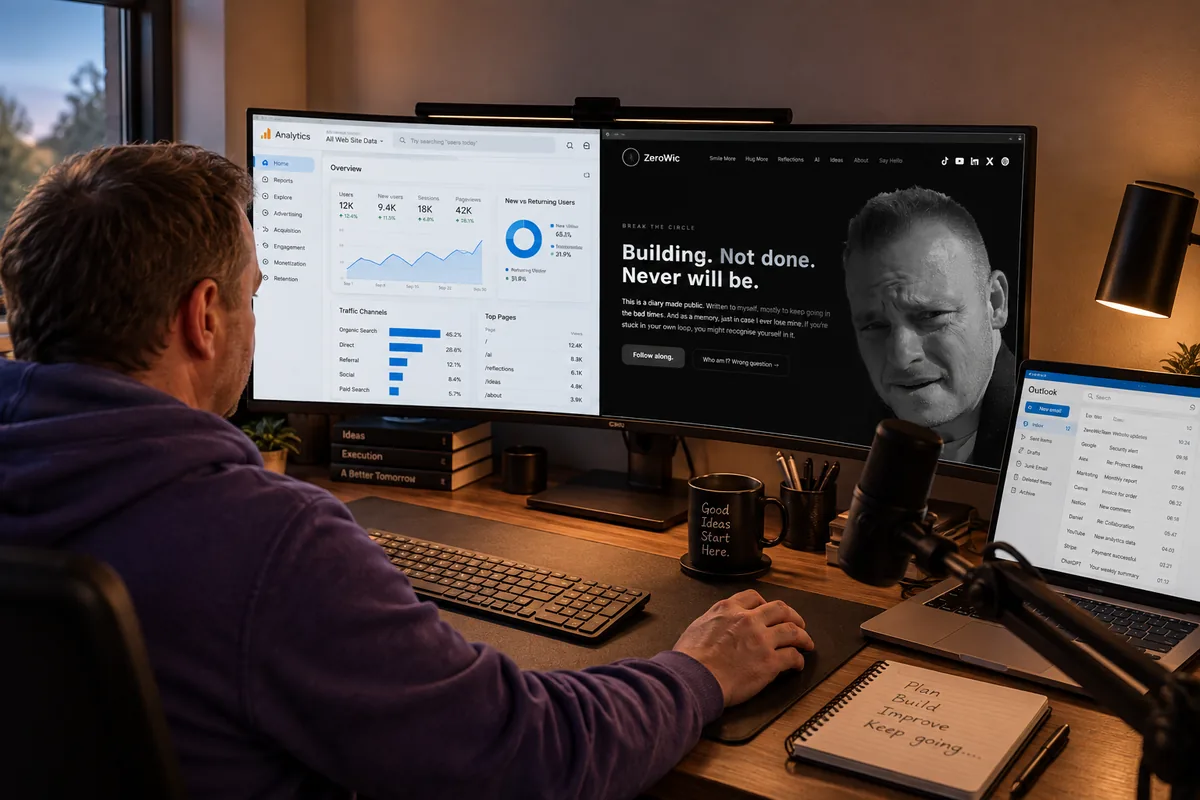
ZeroWic is one example. I wanted to build my own personal brand for a long time. I wanted somewhere to put my thoughts, ideas, experiences and things I am learning. Before, doing that properly would have meant finding people with different skills, spending much more money, or trying to learn everything myself one piece at a time.
Now I can sit down with an idea and start working on it. I can research it, structure it, write about it, create visuals around it, troubleshoot problems, make a presentation, test how something might work. I can take something that only existed in my head and give it a shape.
That is the part of AI that interests me most. Not replacing people. Not pretending everyone suddenly becomes an expert. It is the possibility of helping people move an idea from their head into the real world.
And I think that matters especially for people who have been carrying ideas around for years. Maybe when you were younger, you wanted to invent something. Maybe you wanted to design a product. Maybe you had an idea for a business. Maybe you wanted to write something. Maybe you saw a problem in your work and always thought there had to be a better way to solve it.
Then life happened. You needed an income. You had responsibilities. You needed other people with skills you didn't have. You needed money. You needed time. And slowly that idea moved further into the background.
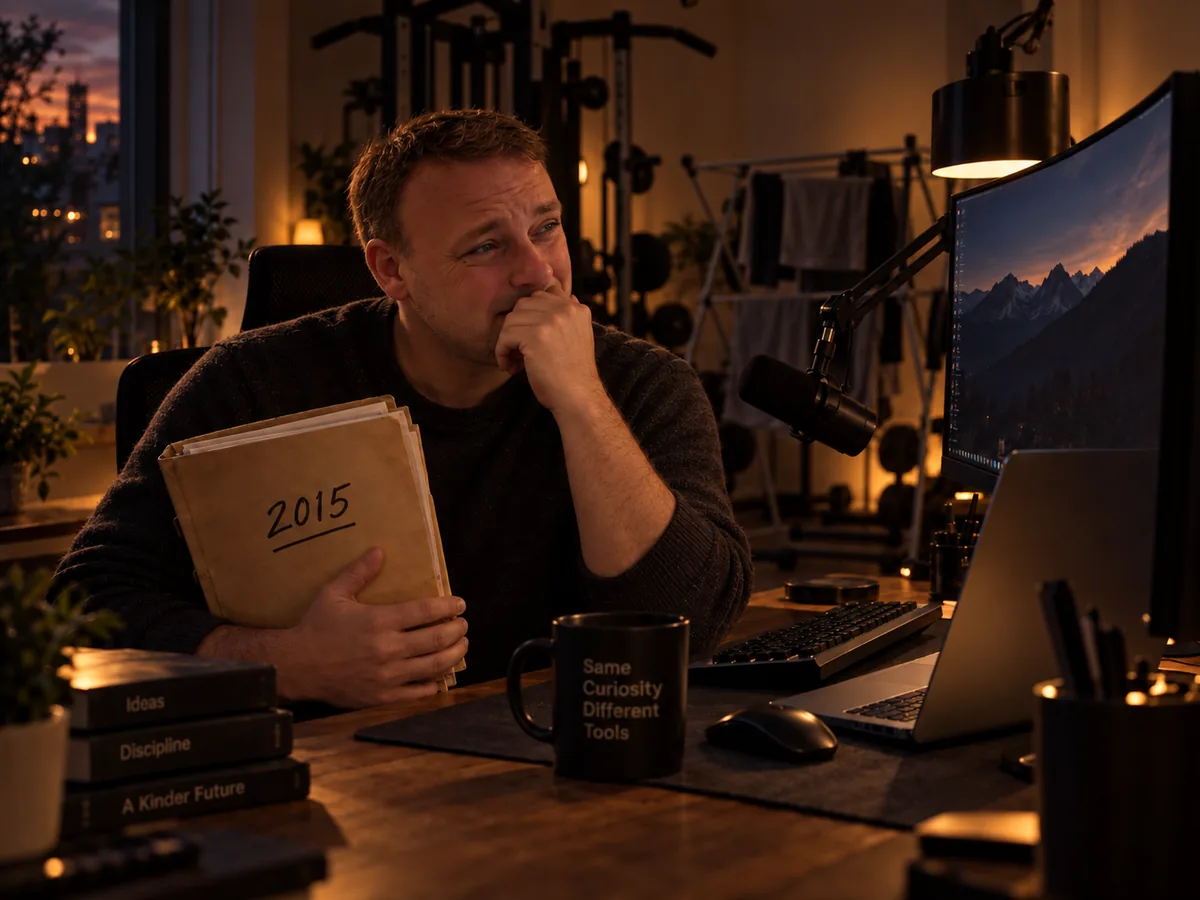
What has changed today is that you can go back to it. You may not be able to build the final product tomorrow. But you can explain the idea, research it, develop the concept, visualize it, build a rough version, make a presentation, publish it and let other people see it.
That alone is powerful. Because ideas that never leave someone's head cannot help anyone. And there must be millions of them out there. People with years of knowledge, practical experience, strange little solutions, unfinished projects and things they always wanted to try.
That is why I find this moment so interesting. AI gives us another chance to use what we already know. For me, it is helping me build something I had wanted for years. And maybe for someone else, it could help bring back an idea they almost forgot about.
So I'll finish with one question.
What is the dream, idea or goal you had years ago, maybe even as a child, that you could finally try to bring to life today?
Sources
Microsoft, The State of Global AI Diffusion in 2026 (AI Diffusion Report, Q1 2026)